
WalkingPad buyer guide Evidence-led shortlist
Best WalkingPad for writers
Walking can suit drafting, reading, and routine editing when the pace is slow and the deck feels steady. More demanding work may still be easier while standing or sitting.
- Guide type
- Use-case
- Shortlist
- 3 models
- Decision lens
- Workday fit
What matters for this setup
Writing can involve long, quiet stretches at the keyboard. A steady deck, low noise, and simple speed changes help the treadmill fade into the background. Start with short sessions until walking and typing feel natural together.
The A1 Pro suits regular, low-speed writing sessions for most rooms. The X21 adds deck room and upright storage for a dedicated office. The C2 is easier to keep in a small home but can feel narrow on a long walk. The R1 Pro and X25 add exercise range or size that writing sessions rarely require.
Three models worth comparing
Amazon links are affiliate links. Paceora may earn a commission if you buy.
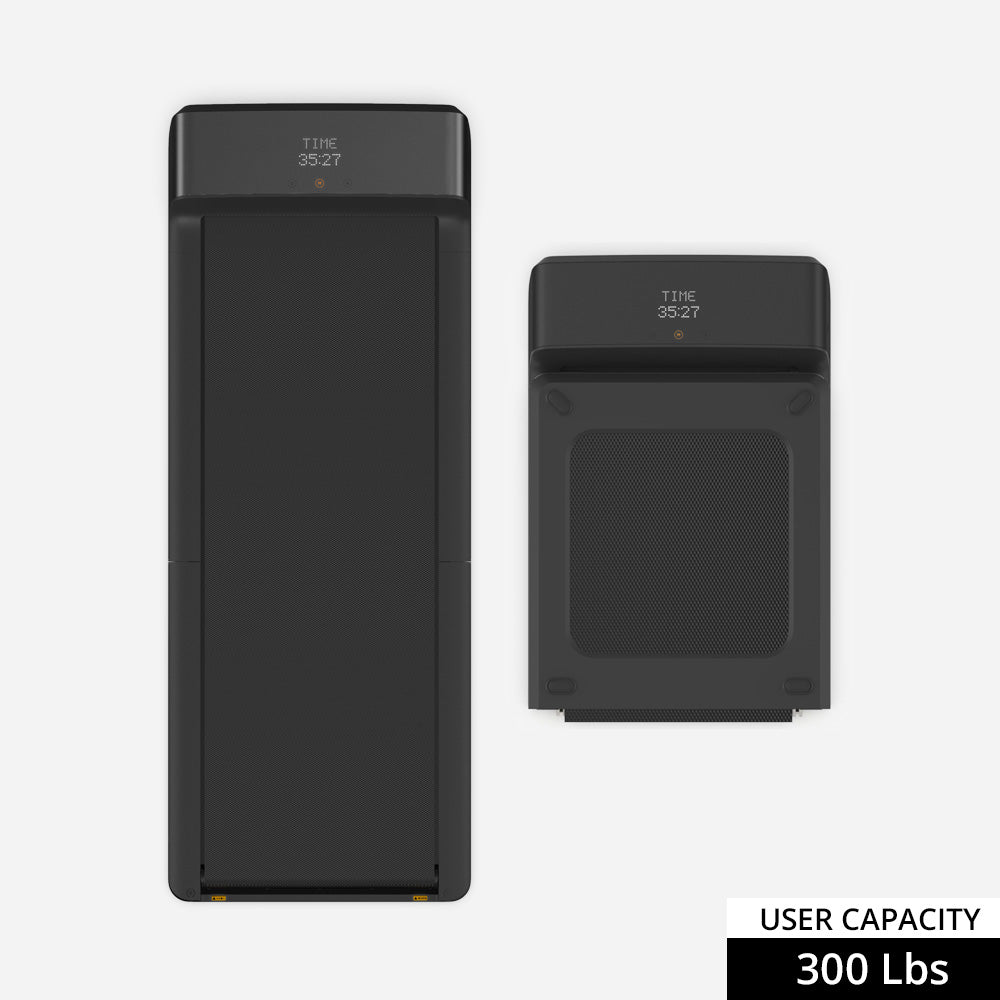
Top pick: WalkingPad A1 Pro
Compare the A1 Pro first for regular writing sessions. Its steadier deck suits sustained typing, and Paceora lets you pause or change speed without leaving the writing app.
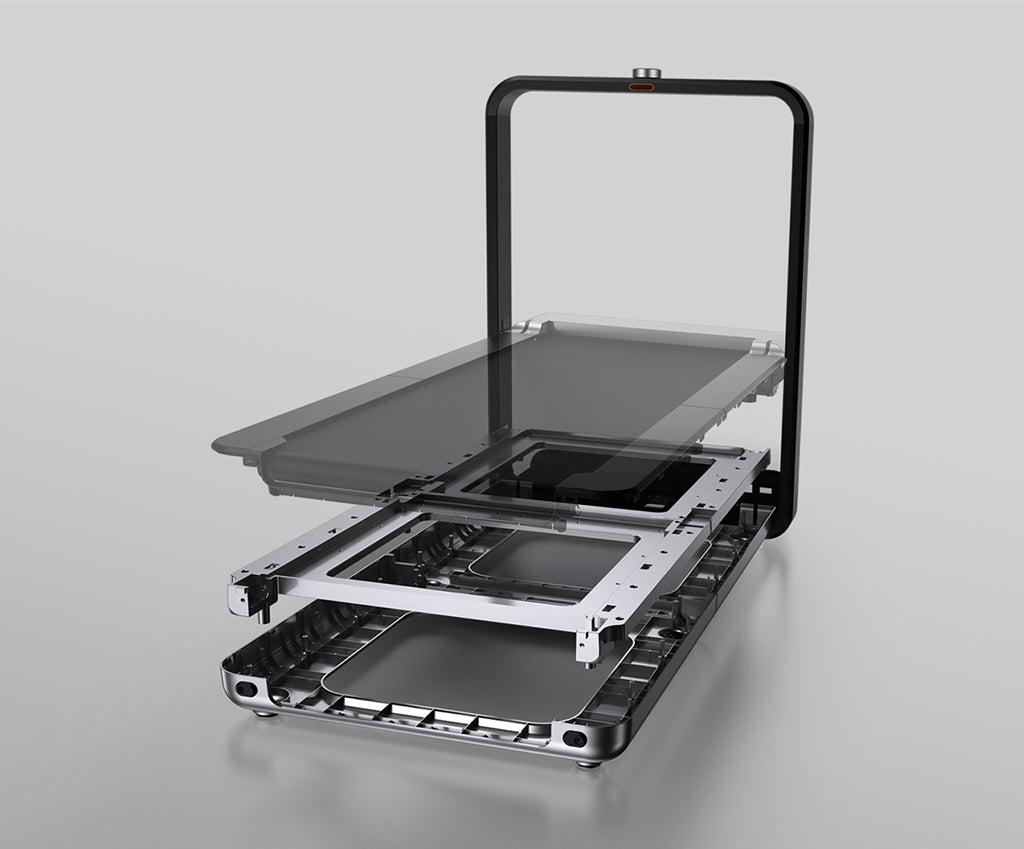
Runner-up: WalkingPad X21
The X21 adds a wider deck and upright storage. Consider it when you have a dedicated office and expect the treadmill to remain part of the room.
Budget pick: WalkingPad C2
The C2 works for writers in small spaces who keep sessions under an hour. The narrower deck is a fair trade for the storage advantage.
Using it with Paceora
Paceora lets you change speed or stop from the Mac, so the writing app can remain in front of you.
Keep reading
Questions people usually have
What speed works for writing?
Start at the lowest comfortable pace with a simple drafting or reading task. Increase gradually only if your typing remains accurate and your shoulders stay relaxed.
Will I adapt to typing while walking?
Some people adapt quickly and others prefer not to type while walking. Begin with short sessions, slow down when your typing changes, and stop if the movement remains distracting.
Use the selector before opening another product tab.
Answer four questions about the room, session length, storage, and Mac control.